
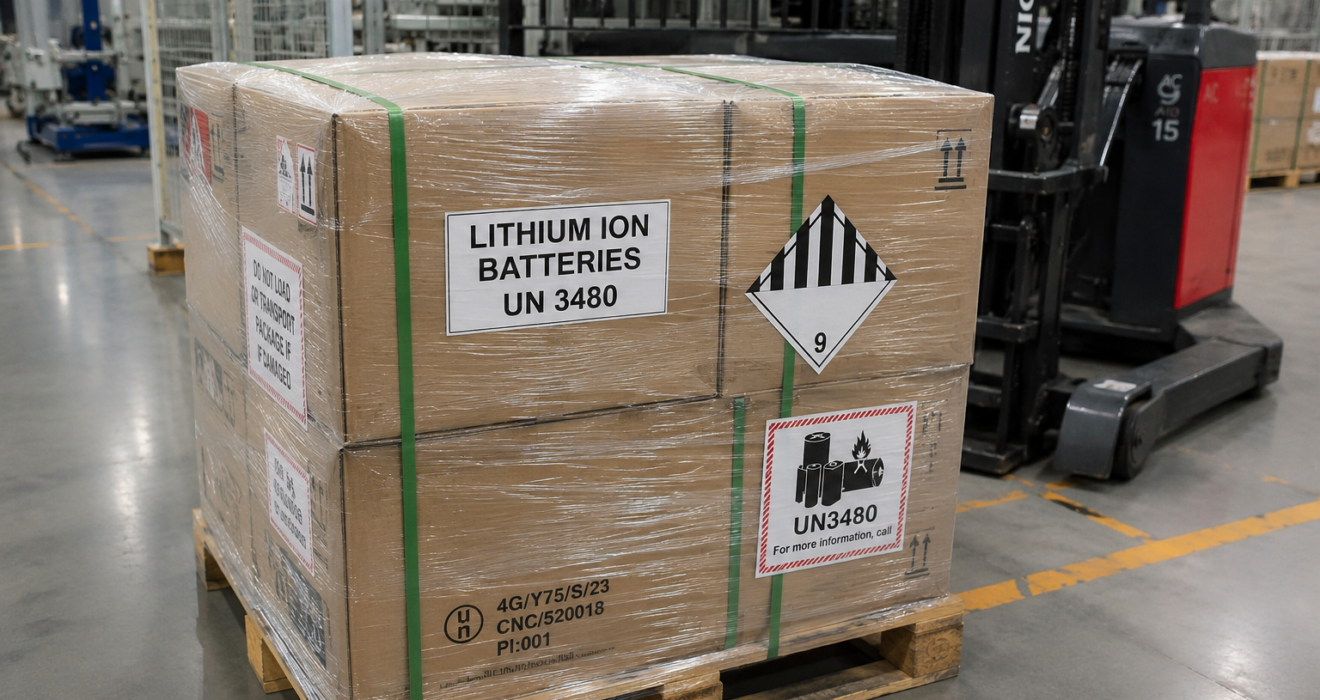
Class 9 Dangerous Goods Shipping Guide
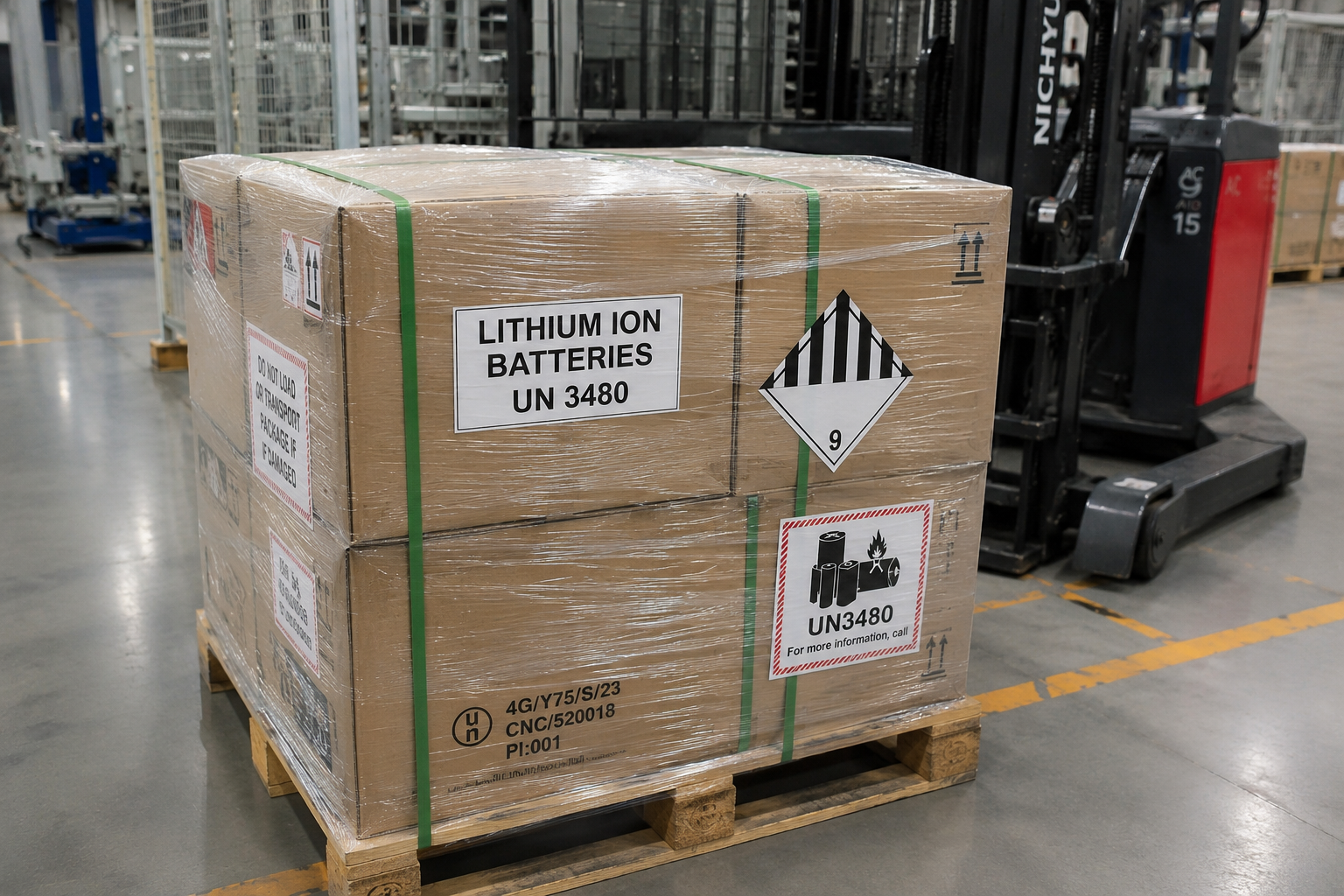
Class 9 dangerous goods include substances and articles that present hazards during transportation but do not fall under the other eight dangerous goods classes. Although often referred to as “miscellaneous dangerous goods,” these shipments are subject to strict transport regulations and require proper classification, packaging, documentation, and handling.
Many exporters are surprised to learn that common commercial products such as lithium batteries, dry ice, and certain environmentally hazardous substances are classified as Class 9 dangerous goods.
This guide explains the key requirements for shipping Class 9 cargo from India through sea freight.
What Are Class 9 Dangerous Goods?
Class 9 covers miscellaneous hazardous substances and articles that present risks during transportation.
Examples of Class 9 cargo include:
- Lithium-ion batteries
- Lithium metal batteries
- Battery-powered equipment
- Electric vehicle batteries
- Dry ice (Carbon Dioxide, Solid)
- Environmentally hazardous substances
- Asbestos
- Magnetized materials
- Air bag inflators and seat belt pretensioners
- Elevated temperature substances
- Certain marine pollutants
Many modern technology and automotive products fall under this category.
Common Industries Shipping Class 9 Cargo
Class 9 dangerous goods are frequently shipped by:
- Electronics manufacturers
- Electric vehicle manufacturers
- Automotive suppliers
- Medical equipment companies
- Renewable energy businesses
- Chemical manufacturers
As battery-powered products continue to grow globally, demand for Class 9 logistics services is increasing rapidly.
Lithium Battery Shipping Requirements
Lithium batteries represent one of the most common Class 9 cargo categories.
Examples include:
- Mobile phone batteries
- Laptop batteries
- Power banks
- Electric scooter batteries
- Electric vehicle battery packs
- Solar energy storage batteries
Shipping requirements typically include:
- UN-approved packaging
- Short-circuit protection
- Proper Class 9 labels
- Battery test reports
- Dangerous Goods Declaration where applicable
Incorrect battery declarations are among the most common causes of shipment delays.
Dry Ice Shipping Requirements
Dry ice is widely used for:
- Pharmaceutical shipments
- Medical samples
- Food products
- Temperature-controlled cargo
Because dry ice releases carbon dioxide gas during transit, packaging and ventilation requirements must be carefully followed.
Packaging and Labeling Requirements
Class 9 cargo must be packed according to applicable regulations.
Requirements generally include:
- UN-certified packaging
- Proper hazard labels
- Correct UN number markings
- Package testing where required
- Secure loading and segregation
The exact requirements depend on the specific product being shipped.
Documentation Required
Class 9 dangerous goods shipments typically require:
- Material Safety Data Sheet (MSDS) or Safety Data Sheet (SDS)
- Dangerous Goods Declaration (DGD)
- Commercial Invoice
- Packing List
- Product specifications
- Battery test reports (when applicable)
Accurate documentation is critical for carrier acceptance and customs clearance.
Sea Freight Process for Class 9 Cargo
A typical shipment involves:
- Product classification review
- Documentation verification
- Packaging compliance checks
- Carrier approval
- Port acceptance
- Ocean transportation
- Destination clearance and delivery
Each step must comply with international dangerous goods regulations.
Common Challenges
Exporters frequently encounter:
- Incorrect lithium battery classification
- Missing test reports
- Non-compliant packaging
- Incomplete documentation
- Carrier acceptance issues
These problems can result in shipment delays, additional charges, or cargo rejection.
Why Choose Aipex Worldwide
Aipex Worldwide supports exporters with professional handling of Class 9 dangerous goods, including:
- Lithium battery shipments
- Electric vehicle battery logistics
- Dry ice shipments
- Marine pollutant cargo
- Documentation and compliance support
- End-to-end sea freight coordination
Our team helps ensure that Class 9 cargo is transported safely and in accordance with international regulations.
Get Expert Support
If your shipment contains lithium batteries, dry ice, environmentally hazardous substances, or other Class 9 cargo, professional guidance is essential.
Aipex Worldwide can assist with:
- Cargo classification
- Documentation review
- Packaging compliance
- International sea freight arrangements
Contact our team to discuss your Class 9 dangerous goods shipment requirements.
Class 9 dangerous goods are often misunderstood because they include everyday commercial products. However, these shipments remain highly regulated and require careful planning. Proper classification, packaging, and documentation help ensure smooth transport and regulatory compliance throughout the shipping process.